
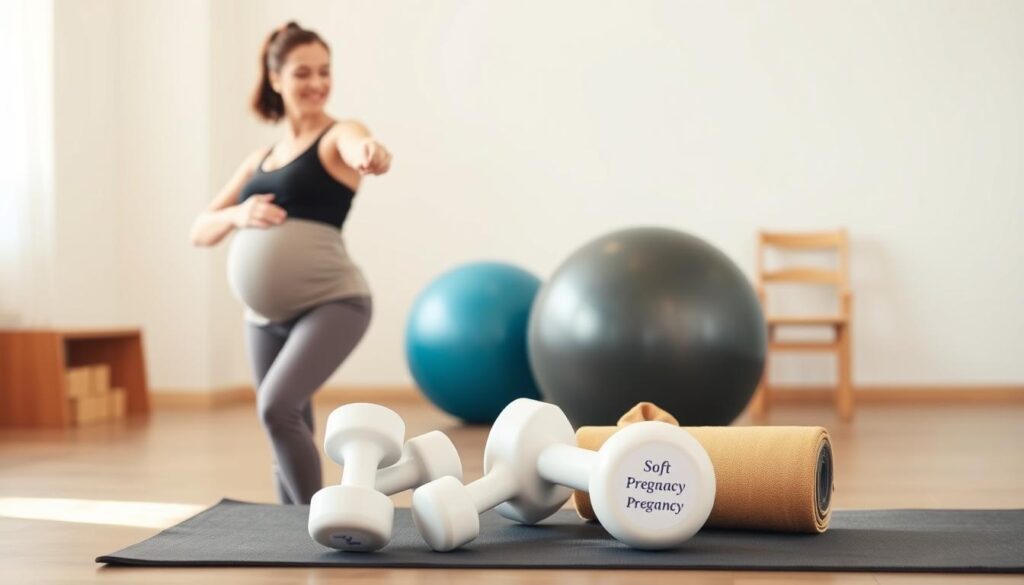
Being an expecting mom means staying active and full of energy. I found that prenatal workouts really help. They ease back pain and fatigue.
Doing safe pregnancy exercises boosts your mood. It also gets your body ready for labor and delivery. Adding these exercises to your day keeps you healthy and full of energy.
Key Takeaways
- Staying active during pregnancy can alleviate common symptoms.
- Prenatal workouts can improve mood and energy levels.
- Safe pregnancy exercises prepare the body for labor and delivery.
- Regular exercise can reduce pregnancy-related discomfort.
- A healthy pregnancy is supported by consistent physical activity.
Understanding Pregnancy and Its Stages
As I start my pregnancy journey, knowing the stages is key for a healthy experience. Pregnancy is split into three trimesters. Each one brings its own set of physical and emotional changes.
First Trimester: What to Expect
The first trimester is a time of big changes, both in body and mind. It’s important to start with gentle movements and avoid hard exercises. The American College of Obstetricians and Gynecologists (ACOG) says moms-to-be should do at least 30 minutes of moderate exercise daily, most days.
Some pregnancy-friendly fitness routines for this stage include:
- Brisk walking
- Swimming
- Yoga
Second Trimester: Changes and Adaptations
In the second trimester, the body changes more. This is when strengthening exercises can help support the growing belly and prepare for labor.
Recommended exercises include:
- Pelvic tilts
- Kegel exercises
- Low-impact aerobics
Third Trimester: Preparing for Labor
In the third trimester, the focus is on stretching and breathing techniques to help with labor. It’s important to stay active but also listen to my body and adjust workouts as needed.
“Exercise is essential throughout pregnancy, but it’s crucial to balance activity with rest to avoid complications.”
Some good activities for this stage are:
- Stretching exercises
- Breathing techniques
- Short walks
By knowing the different stages of pregnancy and doing the best exercises during pregnancy, I can stay healthy and active throughout my journey.
The Importance of Staying Active During Pregnancy
Exercise is key to my health during pregnancy. It keeps me physically fit and mentally sharp. Being active boosts my mood and overall well-being.
Benefits for Physical Health
Regular prenatal exercises are great for my health. They help me stay at a healthy weight and lower the risk of diabetes and high blood pressure. They also ease back pain and swelling.
Regular physical activity gets my body ready for labor. This makes the delivery process easier and less stressful.
Exercise improves my heart health, increases strength and flexibility, and helps me keep a good posture. These benefits are vital for a comfortable pregnancy and daily activities.
Benefits for Mental Well-being
Exercise is good for my mind too. It reduces anxiety and depression by releasing happy hormones. This helps me handle mood swings and stress.
Regular exercise also improves my sleep, which often suffers during pregnancy. It helps me manage stress and anxiety, making my pregnancy better. Plus, it lets me meet others, reducing feelings of loneliness.
Essential Pregnancy Exercises for Each Trimester
Staying active during pregnancy is key. Each trimester needs special exercises to match my body’s changes.
Gentle Movements for the First Trimester
In the first trimester, I focus on gentle exercises. These don’t strain my body too much. Some good ones are:
- Pelvic tilts: They help with back pain and improve flexibility.
- Kegel exercises: These strengthen the pelvic floor muscles, important for a healthy pregnancy and delivery.
- Brisk walking: It’s a low-impact cardio that keeps me active without risking my pregnancy.
Strengthening Exercises for the Second Trimester
In the second trimester, my body changes a lot. It’s important to do strengthening exercises to support my growing belly and health.
- Squats: They strengthen my legs and prepare my body for labor.
- Modified push-ups: These strengthen my upper body and can be adjusted for my growing belly.
- Leg raises: They strengthen my core and improve flexibility.
Stretching and Breathing Techniques for the Third Trimester
In the third trimester, I focus on stretching and breathing. These help prepare my body for labor and improve flexibility.
- Prenatal yoga: It enhances flexibility, reduces stress, and prepares my body for labor.
- Deep breathing exercises: They help manage stress and pain during labor.
- Pelvic stretches: They improve flexibility and help prepare my body for delivery.
Throughout my pregnancy, listening to my body and adjusting my exercises has been crucial. Always check with a healthcare provider before starting any new exercise program during pregnancy.
Safe Exercises to Try During Pregnancy
There are many safe and good exercises for pregnant women. Staying active improves both physical and mental health.
Walking: The Perfect Low-Impact Option
Walking is a great exercise for pregnant women. It’s easy, doesn’t need special gear, and can be done daily. I can start with short walks and increase the distance as I get stronger.
Benefits of Walking:
- Improves cardiovascular health
- Boosts mood and energy levels
- Supports healthy weight management
Swimming: A Soothing Full-Body Workout
Swimming and water aerobics are excellent choices during pregnancy. They’re gentle and can ease nausea and sciatic pain. The water’s support reduces injury risk, making it perfect for pregnant moms.
The benefits of swimming include:
- Relaxation and stress relief
- Full-body workout without straining joints
- Improved circulation and reduced swelling
Yoga: Enhancing Flexibility and Calmness
Yoga is a great way to stay active during pregnancy. It improves flexibility, balance, and strength. It also helps relax and reduce stress. Prenatal yoga classes are designed for expectant moms, focusing on safe poses and breathing.
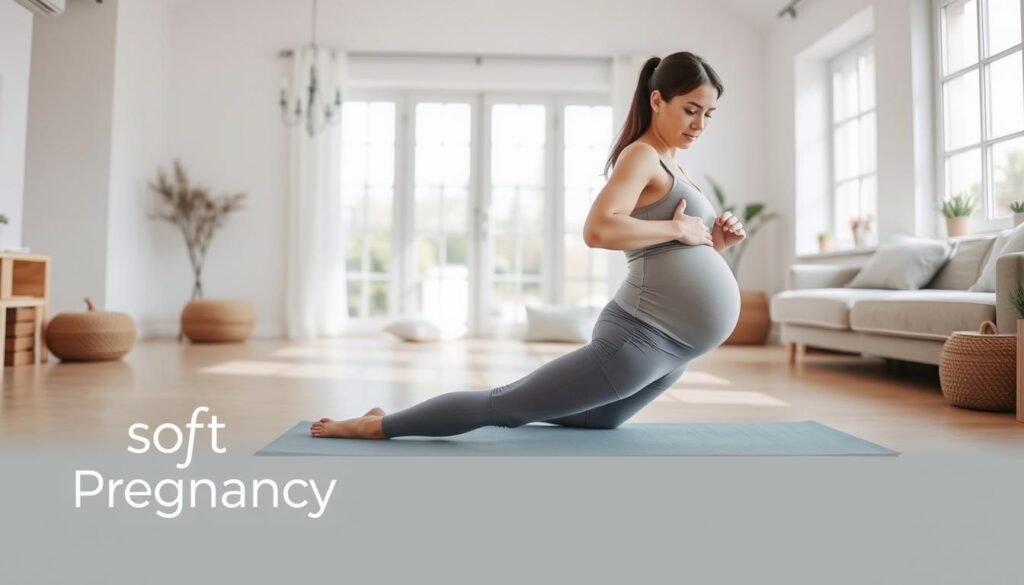
Here’s a comparison of these exercises in terms of their benefits and impact:
| Exercise | Impact Level | Benefits |
|---|---|---|
| Walking | Low | Cardiovascular health, mood booster |
| Swimming | Low | Full-body workout, relaxation, reduced swelling |
| Yoga | Low | Flexibility, balance, stress relief |
By adding these exercises to my routine, I can have a healthier, more balanced pregnancy.
Strength Training for Expecting Mothers
Strength training during pregnancy keeps me physically fit and mentally sharp. It’s key to know how to safely add it to my workout routine.
Core Exercises: Supporting My Growing Belly
Core exercises are vital during pregnancy. They help support my growing belly and improve my posture. Pelvic tilts and modified planks are great for strengthening my core. These exercises can be done at home and are safe if done right.
Dumbbell Movements: Building Upper Body Strength
Dumbbell exercises are great for building upper body strength during pregnancy. Bicep curls and shoulder presses can be adjusted based on my comfort. It’s important to start with light weights and increase them as I get stronger.
| Exercise | Benefits | Precautions |
|---|---|---|
| Pelvic Tilts | Strengthens core, supports lower back | Avoid if experiencing severe back pain |
| Bicep Curls | Builds upper body strength | Start with light weights |
| Modified Planks | Improves posture, supports belly | Avoid holding breath |
Adding these strength training exercises to my routine boosts my physical and mental health during pregnancy. Always check with a healthcare provider before starting any new workout.
Cardiovascular Workouts for Pregnancy
I’ve found that low-impact cardio exercises are great for staying healthy and full of energy during pregnancy. Doing regular cardio workouts helps my heart stay strong. It also boosts my energy, making pregnancy easier to handle.
Benefits of Low-Impact Cardio
Low-impact cardio, like walking and swimming, is great for pregnant women. These activities are easy on the joints and can be adjusted for each pregnancy stage. They improve heart health, lower the risk of diabetes, and boost overall health.
Some benefits of low-impact cardio during pregnancy include:
- Improved heart health
- Increased energy levels
- Better weight management
- Reduced risk of pregnancy complications
Recommended Heart-Rate Guidelines
It’s key to watch my heart rate during cardio workouts to stay safe. The American College of Obstetricians and Gynecologists suggests aiming for a moderate exercise intensity. This means my heart rate should be between 100 and 140 beats per minute.
| Intensity Level | Heart Rate (bpm) | Examples of Exercises |
|---|---|---|
| Low | 100-120 | Walking, light swimming |
| Moderate | 120-140 | Brisk walking, swimming laps |
By following these guidelines, I can enjoy the perks of cardio workouts safely and healthily during my pregnancy.
Stretching and Flexibility Workouts
Regular stretching has made a big difference for me. It boosts my flexibility and eases pregnancy discomforts. I’ve learned that being flexible is more than just a physical trait. It’s a key to a more comfortable pregnancy.
Importance of Flexibility in Pregnancy
Keeping flexible during pregnancy is key for many reasons. It eases muscle tension, boosts range of motion, and improves comfort. Flexibility exercises also get my body ready for labor and delivery. They help increase pelvic floor flexibility and make birthing more efficient.
Flexibility workouts during pregnancy offer many benefits. They include:
- Relief from back pain and better posture
- Improved balance and lower fall risk
- Preparation for the physical demands of motherhood
Simple Stretches to Relieve Tension
Here are some easy yet effective stretches for pregnancy:
- Neck Stretch: Gently tilt my head to the side, bringing my ear towards my shoulder. Hold for 30 seconds and repeat on the other side.
- Shoulder Rolls: Roll my shoulders forward and backward in a circular motion. Repeat for 10-15 repetitions.
- Cat-Cow Stretch: On my hands and knees, arch my back (like a cat), then round it (like a cow). Repeat for 10-15 repetitions.
It’s important to listen to my body and adjust these stretches as needed.
Adding these stretches to my prenatal routine has made my pregnancy more comfortable and healthy. Regular stretching not only boosts my physical health but also my mental well-being. It prepares me for the journey ahead.
Creating a Balanced Pregnancy Workout Routine
As I go through pregnancy, making a balanced workout plan is key for my health. Being active helps me and my baby. It makes our pregnancy healthier.
How to Structure My Weekly Plan
A good pregnancy workout mix includes cardio, strength training, and stretching. I plan to set aside days for each. For example, I’ll do cardio on Mondays, Wednesdays, and Fridays.
Tuesdays and Thursdays will be for strength training and stretching. This way, I avoid too much strain.
It’s also crucial to have rest days or active recovery days. These can be light yoga or a slow walk. This lets my body heal.
By planning my week this way, I stay active without overdoing it.
Listening to My Body: Adjusting as Needed
Listening to my body is a big part of a good pregnancy workout. As I get further along, I might need to change what I do. If I’m really tired, I might choose something easier or rest more.
Being flexible and listening to my body keeps my workouts safe and effective. It helps my physical and mental health. This prepares me for a great pregnancy experience.
Prepping for Labor: Exercises to Facilitate Delivery
To make labor easier, I’ve started doing prenatal workouts. These exercises help my body get ready for the big day. They make the labor process less scary.
Pelvic Floor Exercises: Boosting My Strength
Strengthening my pelvic floor muscles is key. I do safe pregnancy exercises to help. These muscles are important during delivery.
I do Kegel exercises every day. It’s simple: I tighten and then release my pelvic muscles. This makes my muscles stronger and more ready for labor.
Positioning and Breathing Techniques
I’ve also learned positioning and breathing techniques for labor. Changing positions helps my baby move through the birth canal. This might make labor shorter.
Breathing techniques, like deep breathing, are also helpful. They help me handle pain and stay calm during contractions. This makes labor more manageable.
- Practice different positions like squatting, kneeling, or using a birthing ball to help your baby move into an optimal position.
- Use breathing techniques to manage pain and stay calm during contractions.
- Consider taking a childbirth education class to learn more about these techniques and how to apply them effectively.
By adding these pregnancy exercises and techniques to my routine, I feel ready for my due date. It’s all about being proactive for a better labor experience.
Postpartum Recovery: Gentle Movements to Start
Starting my postpartum recovery, I found that gentle movements helped my body heal and lifted my mood. It was clear that slowly getting back into exercise was key.
Gradual Return to Exercise After Birth
My body needed time to heal after birth. I began with simple movements like pelvic tilts, deep breathing, and short walks. These helped me build strength without pushing too hard. It’s important to listen to your body and only do what feels right.
Some good exercises for the early postpartum period include:
- Pelvic floor exercises (Kegels) to strengthen the muscles that support the bladder, uterus, and bowels.
- Deep breathing exercises to help reduce stress and promote relaxation.
- Short walks around the house or neighborhood to gently increase circulation and energy levels.
Rebuilding Strength Safely
As I got further in my recovery, I added more structured exercises to my routine. It’s crucial to build strength safely to avoid injury and support health.
| Exercise | Benefits | Precautions |
|---|---|---|
| Pelvic Tilts | Helps in regaining flexibility and strengthening lower back muscles. | Avoid if experiencing severe back pain. |
| Deep Breathing Exercises | Reduces stress and promotes relaxation. | None, suitable for all. |
| Short Walks | Gently increases circulation and energy levels. | Start slowly, avoid uneven terrain. |
Building strength safely means starting with low-intensity exercises and gradually getting harder as your body gets stronger. It’s also key to work on core strength, flexibility, and overall fitness.
By starting with gentle movements and slowly increasing the intensity, I supported my body’s recovery. This helped me build a strong base for future fitness goals.
Keeping Motivation High Throughout My Journey
As I go through pregnancy, keeping motivated is key for a healthy life. Being active and full of energy helps my body and mind.
Setting Realistic Fitness Goals
It’s important to set goals that are within reach. A pregnancy-friendly fitness routine helps me make progress without overdoing it.
- Begin with easy goals, like short walks or simple stretches.
- Slowly add more intensity and time as I get stronger.
- Enjoy the small wins to keep my spirits up.
The American Pregnancy Association says setting realistic goals keeps me positive. They remind us, “Focus on progress, not perfection.”
“The greatest wealth is health.” – Virgil
Finding Supportive Communities
Being around supportive people really helps. Being part of a prenatal exercise class or online group gives me the push I need.
| Benefits of Supportive Communities | How to Find Them |
|---|---|
| Emotional Support | Join online forums or social media groups for pregnant women. |
| Motivation | Participate in local prenatal exercise classes or workshops. |
| Shared Experiences | Attend pregnancy support groups or meetups. |
Finding a community that gets my journey helps me stay motivated. An expectant mom said, “Being in a prenatal group kept me active and connected.”
Motivation during pregnancy is a journey itself. By setting achievable goals and connecting with others, I keep a healthy and positive lifestyle.
Resources for Pregnancy Exercise Guidance
As I go through pregnancy, finding good resources for prenatal fitness is key. These help me stay on track and keep my pregnancy healthy.
Trusted Apps and Websites
Apps like Nina Fitness and websites like ACOG are great. They offer exercises for each stage of pregnancy. They also teach safe practices.
Informative Books and Programs
For detailed advice, I read “The Birth Partner” by Penny Simkin. It covers pregnancy exercises and labor prep. Programs like Fit Pregnancy offer workout plans and support.
With these resources, I can make a fitness plan that fits my pregnancy needs.
FAQ
What are the benefits of exercising during pregnancy?
Exercising during pregnancy can ease symptoms like back pain and fatigue. It also prepares your body for labor and delivery. Regular exercise can lower the risk of complications like gestational diabetes and hypertension.
What are some safe exercises to try during pregnancy?
Safe exercises include walking, swimming, and yoga. These are low-impact and can be adjusted for different pregnancy stages. Strengthening exercises, like core exercises and dumbbell movements, are also good.
How often should I exercise during pregnancy?
Aim for 30 minutes of exercise daily, most days. Listen to your body and adjust as needed. Always check with your healthcare provider before starting or continuing any exercise program.
Can I do strength training during pregnancy?
Yes, strength training is beneficial during pregnancy. It helps keep muscles toned and supports your growing belly. You can modify core exercises and dumbbell movements for different pregnancy stages.
How can I stay motivated to exercise during pregnancy?
Staying motivated can be tough, but setting realistic goals helps. Finding supportive communities is also key. Try working out with a buddy or joining a prenatal fitness class.
What are some recommended resources for pregnancy exercise guidance?
For guidance, check out prenatal fitness apps like Nike Training Club and Fitbit Coach. Websites like the American College of Obstetricians and Gynecologists (ACOG) and the American Pregnancy Association are also helpful. Consult your healthcare provider or a certified prenatal fitness instructor for personalized advice.
Can I continue to exercise throughout my entire pregnancy?
Usually, yes, you can exercise throughout pregnancy. But listen to your body and adjust your routine as needed. Always check with your healthcare provider before starting or continuing any exercise program.
How can I modify my exercise routine during different stages of pregnancy?
Start with gentle movements in the first trimester and avoid high-impact exercises. In the second and third trimesters, add more strengthening and stretching exercises. Always listen to your body and adjust your routine accordingly.
What are some exercises that can help facilitate delivery?
Exercises like pelvic floor exercises, such as Kegel exercises, can help. Positioning and breathing techniques are also beneficial. Strengthening your pelvic floor muscles prepares your body for labor and delivery.
How can I gradually return to exercise after giving birth?
After giving birth, start with gentle movements and deep breathing exercises. Gradually increase the intensity of your workouts. Always consult your healthcare provider before starting or continuing any exercise program after giving birth.